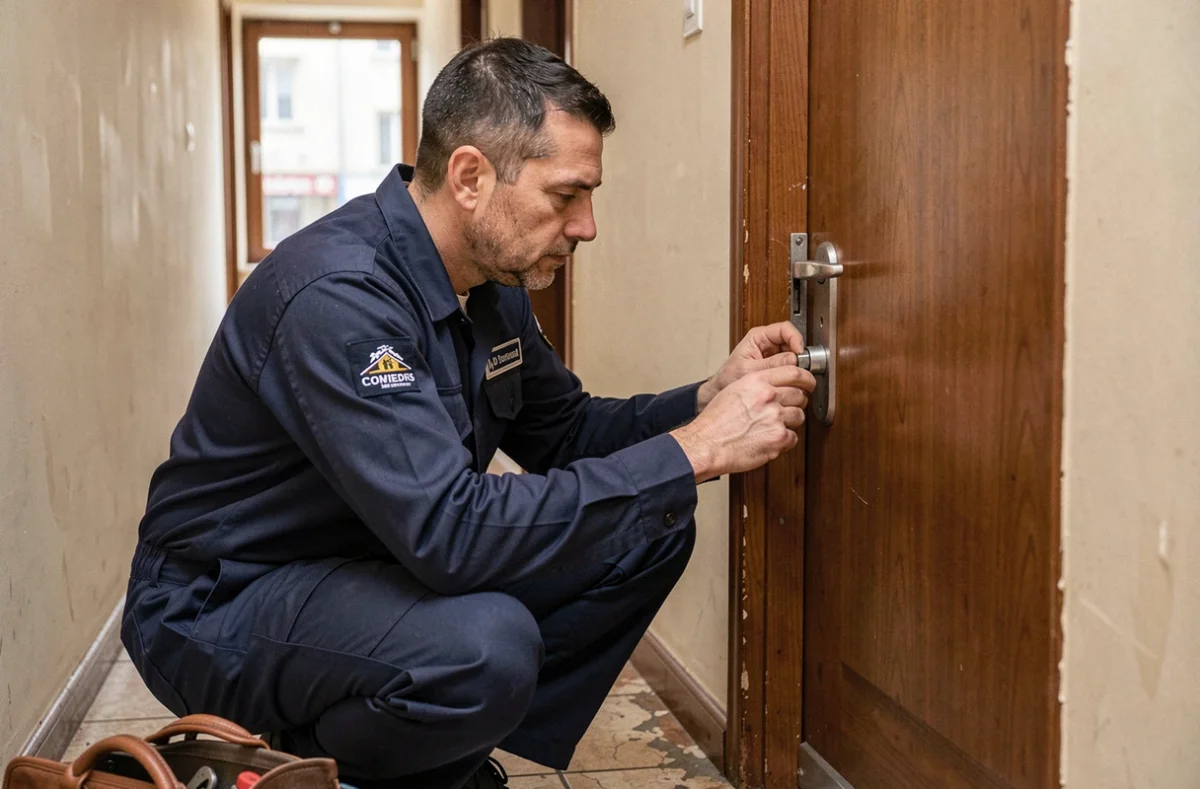
In France, home locksmith services are regularly inspected by the DGCCRF, which frequently finds failures to provide pricing information and written estimates.
At the same time, the urgency of a forced door or broken lock puts homeowners in a position where they have to make quick decisions, often without knowing what is actually needed to secure their home. Consumer law protects them, even in stressful situations, but they need to know which rules apply.
Estimates and information requirements: what an emergency does not waive
A common misconception among people dealing with a break-in or a door that has slammed shut is that an emergency means the locksmith does not have to provide an estimate. This is false. A detailed estimate must be provided before work begins, even for an emergency callout. Prices must also be disclosed before the customer commits.
The emergency exception applies only to the right of withdrawal. The 14-day withdrawal period does not apply to repairs and parts strictly necessary to eliminate the danger or protect the home. Any work beyond that scope remains subject to the standard rules for contracts concluded at home.
For example, if a locksmith comes to your home after a break-in and offers to replace the damaged cylinder, that is emergency work. If they then suggest replacing the entire door or installing a high-end multipoint lock, that additional work is no longer covered by the exception. Professionals such as those listed on https://www.serrurier-birgel-schmitt.fr provide their prices in advance and clearly distinguish immediate security measures from additional work.
Asking for prices before the locksmith sets out, then requesting a written estimate on site before any work begins, is still the best way to avoid overcharging.
Temporary repair or full replacement: knowing what is necessary
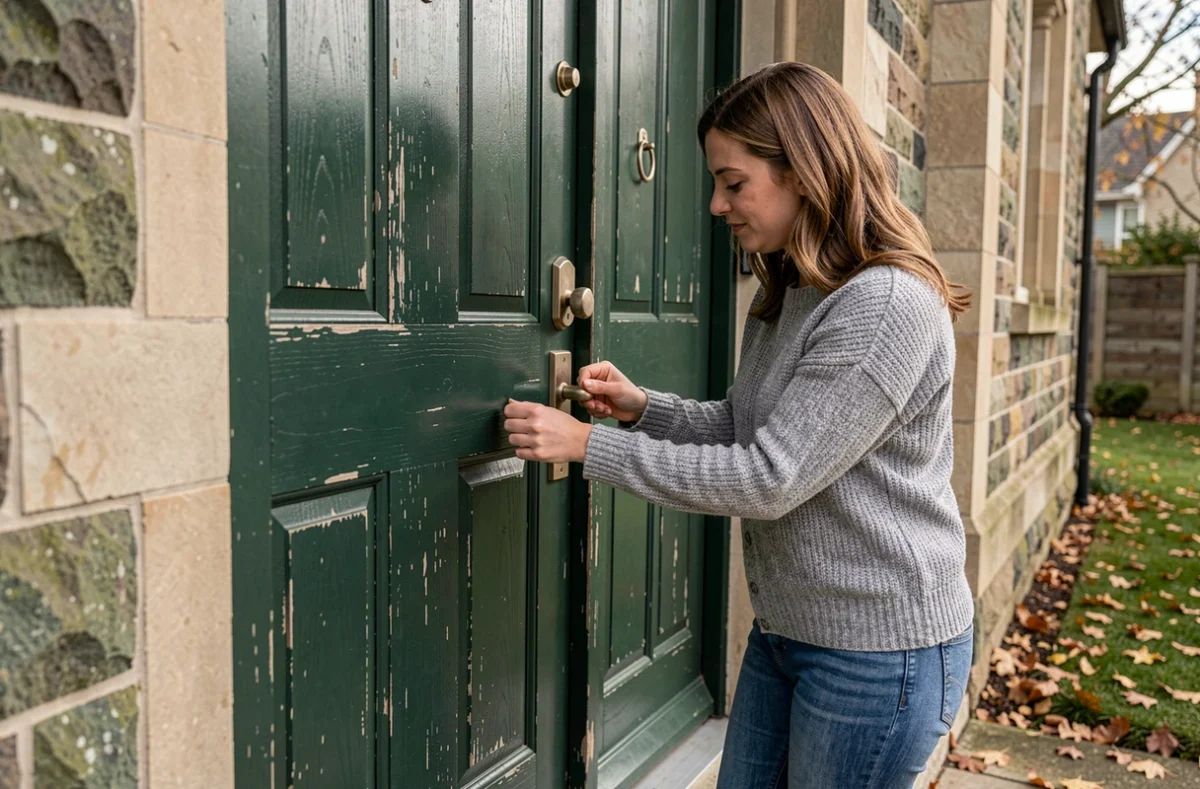
This is a common scenario: the locksmith arrives, assesses the damage and says the lock, cylinder or even the door needs replacing. Before agreeing, it is worth asking one question: Would temporary security measures be enough for the night?
After a break-in, the priority is to make sure the home can be locked. Depending on the condition of the door and frame, this may mean replacing just the cylinder, fitting a temporary bolt or repairing the strike plate. These jobs are quick, and their cost is nowhere near that of a full replacement.
Distinguishing emergency work from upgrades
Three criteria can help you assess the situation on site:
- Does the door close properly with a new cylinder or temporary bolt? If so, the home is secure for the next few days, giving you time to compare estimates for a permanent solution.
- Is the door frame so badly warped that the door can no longer close? In that case, more extensive work may indeed be necessary right away.
- Is the lock A2P-certified, and is only the cylinder damaged? Replacing the cylinder costs a fraction of the price of a complete lock and is often enough to restore the original level of security.
A locksmith who immediately recommends replacing the entire door without checking whether the frame is intact should be asked to explain why. You are not obliged to agree to additional work on the spot: work beyond securing the property remains subject to the 14-day right of withdrawal.
Home insurance and break-ins: deadlines and documents to keep
After a burglary, securing your home does not necessarily mean arranging a permanent repair straight away. The police or gendarmerie must inspect the scene before anything is changed. Once you have filed a police report, temporary security measures can be put in place.
To ensure your insurance claim is handled smoothly, keep the following:
- Photos of the door, lock and points of entry before the locksmith begins work.
- The detailed estimate and invoice for the emergency callout, clearly distinguishing security measures from any additional work.
- The receipt for your police report, which you will need to submit a claim to your insurer.
Some policies cover emergency locksmith services directly through an assistance benefit. Checking this before calling a locksmith yourself could save you from having to pay upfront.
After an emergency locksmith callout: should you always upgrade your lock?
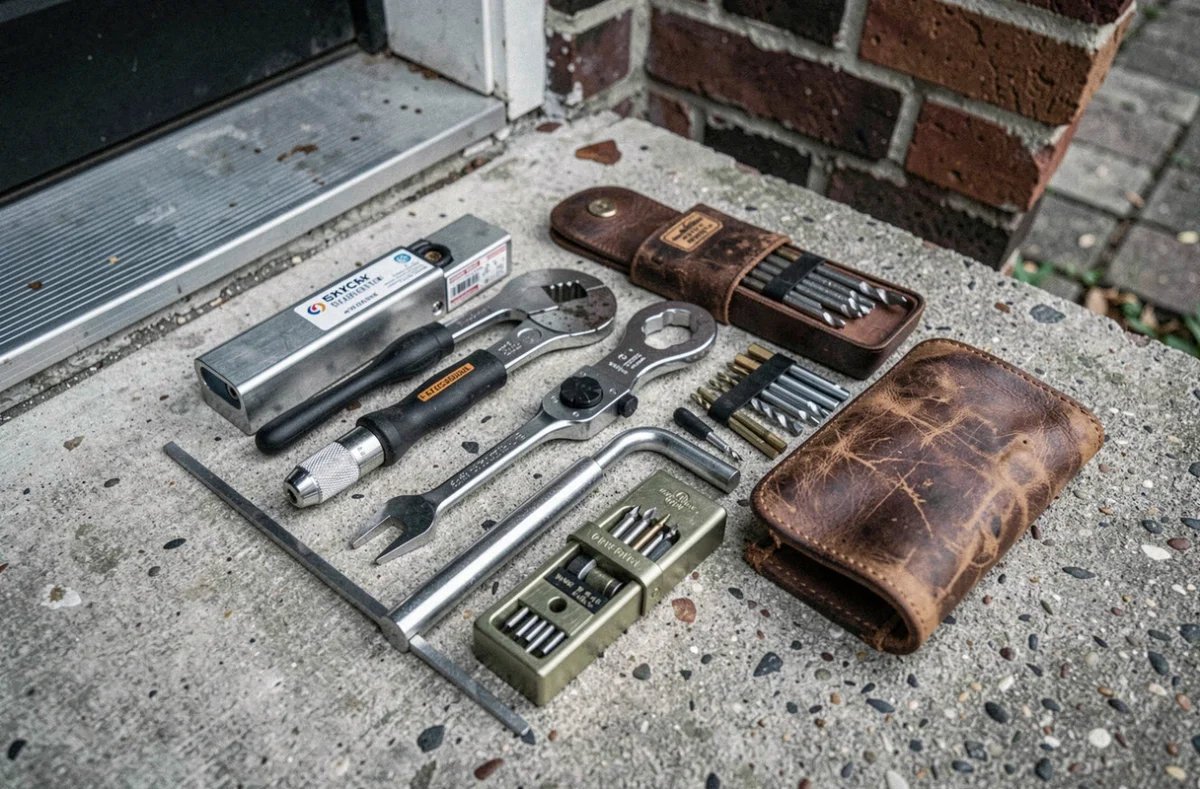
Once your home has been secured in an emergency, you can consider whether to replace the lock permanently. It may be tempting to upgrade, but this decision is best made with a clear head.
An A2P-certified lock (one, two or three stars) has been tested for resistance to break-ins. If the original lock was not certified, a break-in may be an opportunity to upgrade to an A2P model. However, if only the cylinder failed on an already certified lock, replacing it with an equivalent model restores the original level of protection.
Upgrading to a security door or a three-star multipoint lock is a significant investment, so it is worth taking the time to compare several estimates. This is not an emergency decision and should not be made under pressure from a professional at your home.
Keeping the invoice for the temporary security work and comparative estimates for a permanent replacement can also help you justify the costs to your insurer. After a break-in, a properly secured home starts with a door that closes properly that same evening, followed by a lasting solution chosen without rushing.