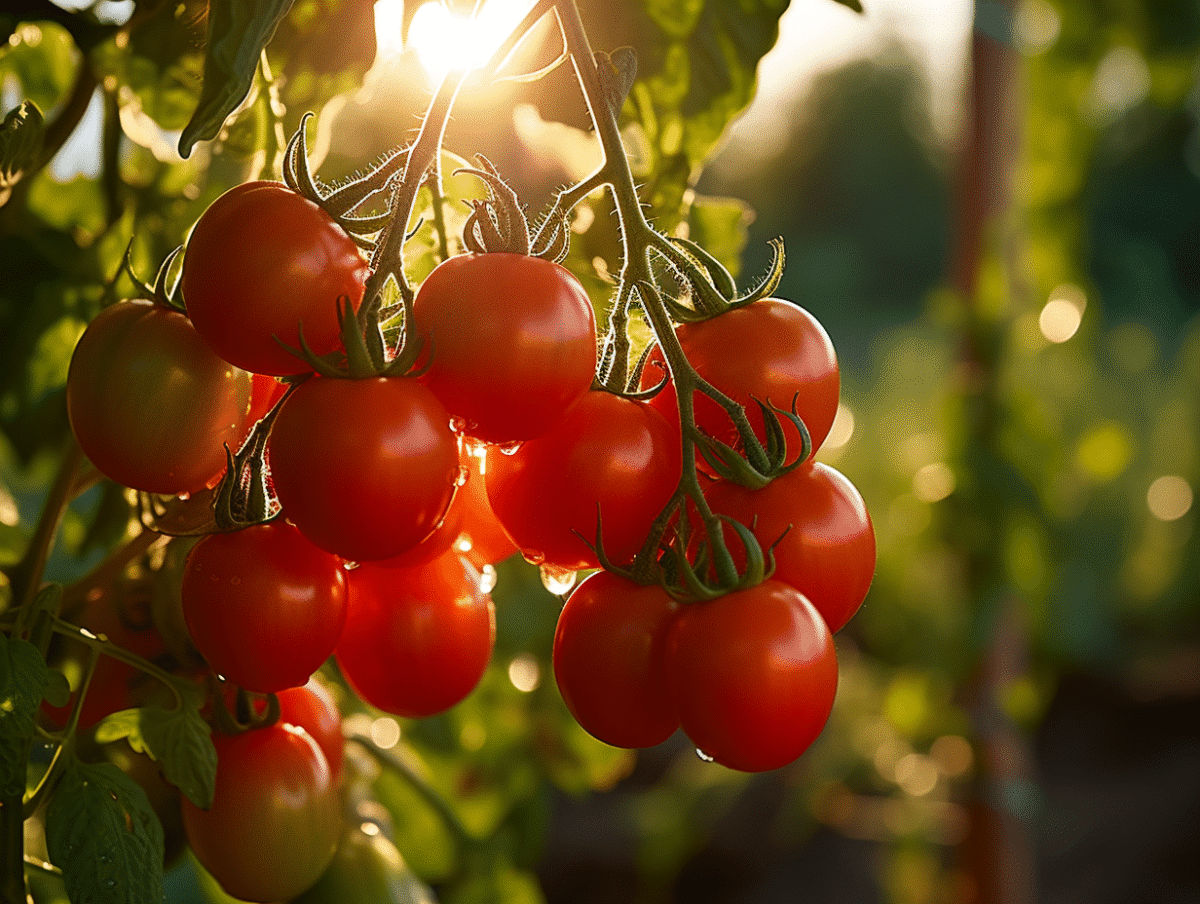
Growing juicy and flavorful tomatoes is both an art and a science. Fertilization, watering, sun exposure, and pest control are all key factors for a bountiful harvest. Knowing when and how to prune the plants or choosing the right varieties for the local climate can make all the difference. The experience of seasoned gardeners often reveals unexpected tips, such as using baking soda to reduce fruit acidity or mulching to retain moisture. These tried-and-true methods can transform an ordinary garden into a haven of red, plump delights.
Optimizing growing conditions for abundant tomatoes
Tomato cultivation: a matter of precision. To achieve a generous harvest, gardeners must familiarize themselves with the specifics of each variety. Differences exist, and each has distinct needs. Seedlings are started indoors as early as March-April, in rich, well-worked soil. Planting, on the other hand, occurs once the risk of frost has passed, maintaining a spacing of 70 cm to 80 cm between plants to ensure optimal growth.
Pruning is necessary for certain varieties, particularly those that climb, to direct the plant’s energy towards fruit production rather than foliage development. For varieties that do not require staking, the stake-free tomato benefits from minimal, if any, pruning, allowing the plant to grow freely. An organic fertilizer rich in potassium is recommended to promote fruit growth.
The harvest typically occurs at the end of summer when the tomatoes reach a vibrant color and firm consistency. Preserving tomatoes can be done through canning or drying, allowing you to enjoy the flavors of summer during the winter months. Producing seeds requires careful selection of the best tomatoes to ensure the quality and vigor of future generations.
Follow these tips for prolific cultivation. Prepare the soil before planting by adding compost and loosening it to facilitate root establishment. Ensure consistent watering, taking care to avoid wetting the foliage to minimize disease risks. Soil preparation and meticulous maintenance are the keys to a bountiful and quality harvest.

Advanced techniques for water management and disease prevention
Water management is crucial for tomato cultivation. Watering should be regular and controlled, avoiding the foliage to reduce the risk of diseases such as blight. Watering at the base, ideally early in the morning, ensures adequate hydration without creating excessive moisture on the plant’s aerial parts. Drip irrigation systems or the use of organic mulches can also help maintain consistent soil moisture and minimize evaporation.
Using a greenhouse can be an effective strategy against blight and other fungal diseases, by controlling ambient humidity and protecting plants from the elements. In a greenhouse, proper ventilation techniques are essential to reduce humidity and avoid condensation that promotes pathogen development.
Companion planting is another interesting preventive method against diseases. Pairing tomatoes with certain plants, such as basil or marigolds, can repel pests and limit the spread of fungal infections. These beneficial associations strengthen the garden’s ecosystem and contribute to the overall vigor of the crops; a holistic approach, combining thoughtful water management and disease prevention practices, is essential for growing healthy and abundant tomatoes.