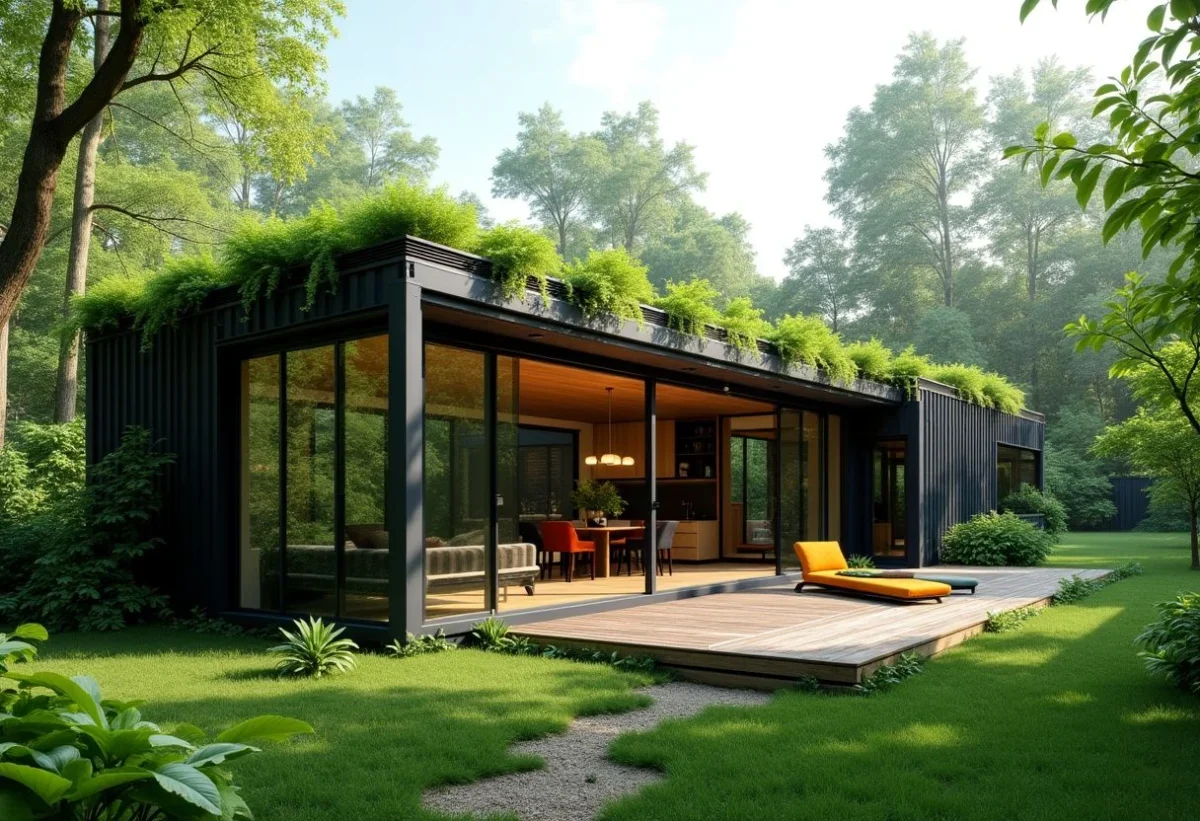
Installing a container on a plot of land is an undertaking that is increasingly attracting both individuals and professionals. The idea of transforming a simple container into a functional structure offers interesting prospects, whether for setting up a storage space, an office, or even a dwelling. The flexibility and low cost make it an appealing option. However, successfully completing this installation requires technical know-how, an understanding of local regulations, and meticulous planning.
Understanding the regulations and necessary permits
Before embarking on the installation of your container, it is imperative to understand the local regulations. The rules vary considerably from one region to another, and non-compliance can lead to severe penalties.
- Consult local authorities: First and foremost, contact your municipality’s planning services. They will inform you about the necessary permits, such as building permits or prior declarations.
- Check the current legislation: Regulations may impose restrictions on the dimensions of the container, its location, or its use. Make sure you are aware of these to avoid violating the law.
- Consider the environment: Depending on the geographical location, specific regulations may apply, especially if the land is situated in a protected or flood-prone area.
Preparing the land
To ensure a stable and durable installation, preparing the land is a crucial step. Proper land preparation is essential to avoid future problems.
Start by analyzing the soil to check its capacity to support the weight of the container. If the soil is too loose, it will require compaction work or the addition of specific foundations. Continue by cleaning and leveling the land to ensure a flat surface. Using appropriate tools or hiring a professional can be beneficial. Finally, consider installing foundations, whether they are concrete or on stilts, depending on the nature of the soil and the total weight of the container once furnished.
Choosing and fitting out the container
The choice of container is also crucial for the success of your project. Containers come in various sizes and conditions. It is important to select one that best meets your specific needs.
First, determine the intended use of the container: storage, office, or dwelling. Each use requires specific fittings. Next, select the appropriate size. Standard containers generally measure 6 or 12 meters in length.
To buy a container, ensure it complies with safety standards. Finally, consider the necessary transformations: insulation, electricity, plumbing, etc. These fittings should be planned in advance to avoid unpleasant surprises.
Transport and final installation
Once the container is selected and the land is prepared, transport and installation are the final steps of your project. These steps require precise logistics and rigorous coordination.
- Choose an experienced transporter: Select a company accustomed to transporting large structures to ensure safe delivery.
- Plan access to the site: Check that the path leading to your land is accessible for the truck and crane needed for the delivery and placement of the container.
- Supervise the placement: Once on site, ensure that the container is positioned correctly on its foundations to guarantee its stability.