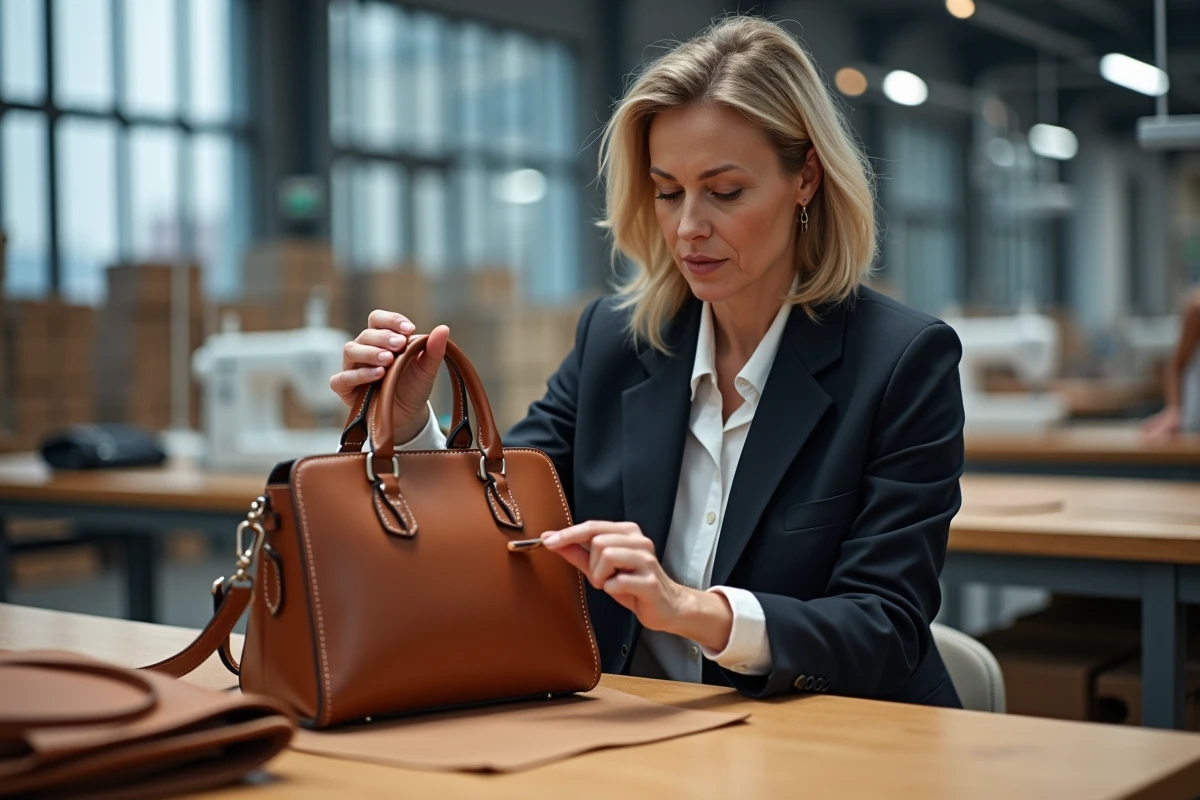
A Michael Kors bag does not magically or randomly appear on the shelves. Behind each model, a well-oiled mechanism connects workshops from all corners of the globe, weaving an industrial web that often escapes the most curious eyes.
Michael Kors handbags, watches, and accessories do not all come from the same factory. The brand has chosen to distribute its production lines across several regions of the world, relying on a strategy that combines tight cost management with adaptation to local market dynamics.
Some high-end models proudly bear the label “Made in Italy” or “Made in France.” Yet, a significant portion of the collections is rooted in Southeast Asia. The materials, for their part, sometimes travel from one continent to another before being assembled to create the finished product.
What the origin of Michael Kors products reveals about the brand
Examining the origin of Michael Kors collections is to understand the choices of a giant in accessible luxury. From the very beginning, the brand has established itself as a symbol of modernity, merging American chic with globalized production. The labels sewn inside tell more than just a country of origin: they reveal the industrial circuits, the specialization of workshops, and the decisions made to cater to an international clientele.
Behind the shine of the storefronts, Michael Kors products embody a vision of democratized luxury. Bags, shoes, accessories—these desirable items come from a fragmented production process, spanning Italy, China, Vietnam, and Turkey. This diversity is not a matter of chance but a result of a desire to combine traditional craftsmanship, cost management, and adaptation to global market volumes. In the face of growing demand for transparency, some consumers ask: where are Michael Kors products made? There is no simple or unique answer.
This international network directly influences the quality of Michael Kors. Each season, the brand adjusts its strategy: it chooses its partners, controls the selection of materials, and monitors every finish. The journey of a bag or a watch, from the first sketch to the store, illustrates this constant search for balance between creativity and industrial rationalization. This ongoing movement shapes the face of Michael Kors, positioned at the intersection of major luxury brands and the desire to reach a broader audience.
Where are Michael Kors bags, shoes, and accessories actually made?
The production of Michael Kors bags, shoes, and accessories relies on a complex organization spread across several countries. Few customers imagine the journey of a Michael Kors bag before it reaches the shelves. Yet, the labels and shipping documents reveal a much more international reality: most Michael Kors products are made in workshops in Asia and Europe, according to criteria of specialization and capacity.
Here’s how the main production areas are distributed:
- Vietnam: This country has established itself as a nerve center for the making of Michael Kors bags. Vietnamese factories combine technical expertise and responsiveness, allowing for quick adjustments to supply based on global trends.
- China: China retains a crucial role, especially for accessories and entry-level collections. Its advantage lies in extraordinary industrial capabilities, ideal for large series.
- Italy: Some high-end models still benefit from the aura of “made in Italy.” Here, the tradition of leather and precision in finishes remain references highlighted by the brand.
- Turkey: Turkey is involved in certain lines, relying on recognized expertise, especially in leatherwork.
This geographical organization of Michael Kors production is not due to chance. It reflects the desire to control costs while preserving the diversity of styles and levels of finish. The selected manufacturers must adhere to a strict set of specifications, ensuring consistency in quality, whether it concerns bags, shoes, or accessories. This choice of production countries shapes the international face of Michael Kors, at the crossroads of industry and craftsmanship.
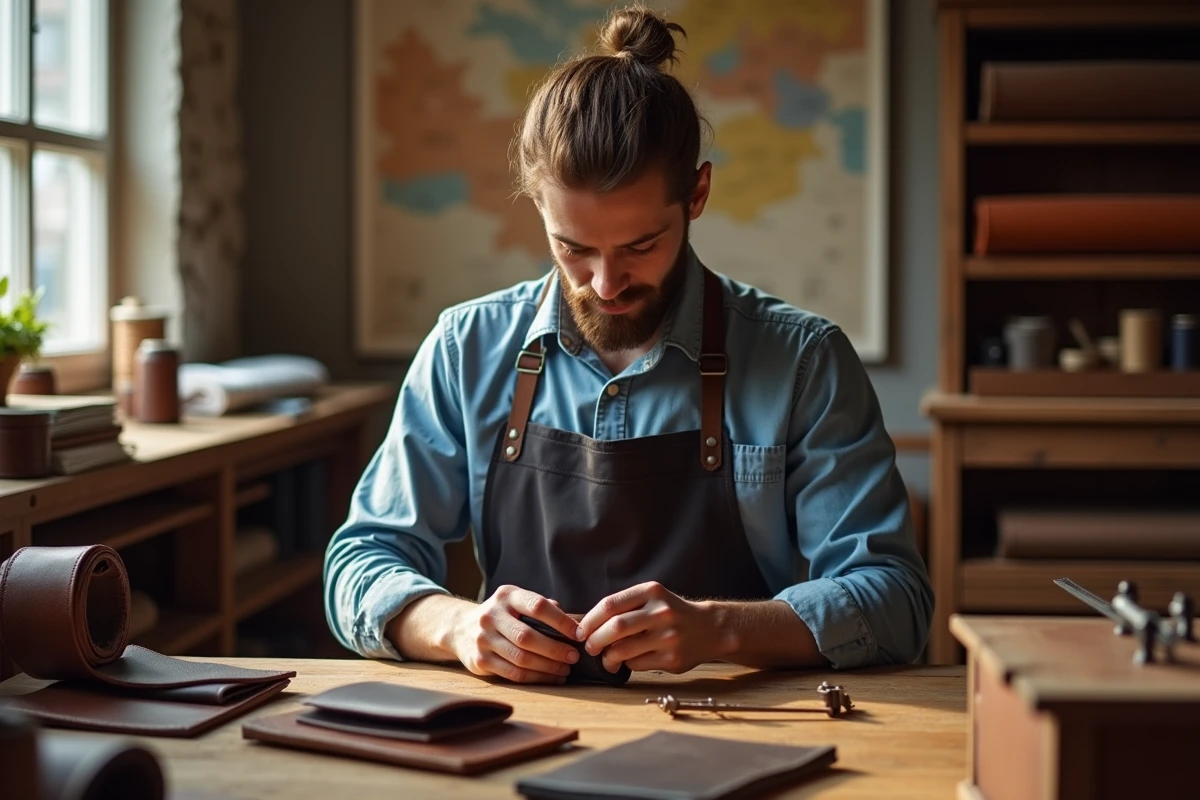
Between craftsmanship, industrialization, and quality requirements: a dive into the production backstage
The Michael Kors universe operates like a precision machine, seeking to marry craftsmanship and industrialization. To meet global demand, the brand relies on streamlined production chains while preserving the value of manual labor. Each range of Michael Kors products undergoes careful selection of raw materials: full-grain leather, coated canvases, and well-crafted metal elements. The choice of materials directly influences the reputation of Michael Kors quality, a strong expectation for accessible luxury.
Control stages play a central role in this process. In the workshops, technicians and artisans examine each batch before shipping. This quality control translates into meticulous attention to the consistency of stitching, the strength of handles, and the precision of assemblies. Michael Kors imposes high standards on its partner manufacturers, whether they are based in Vietnam, Italy, or Turkey.
Summary table of key stages
| Stage | Location | Specificity |
|---|---|---|
| Leather selection | Italy, Turkey | Tanning expertise, choice of grains |
| Cutting and assembly | Vietnam, China | Volume rationalization, rapid adaptation |
| Finishing | Italy, Vietnam | Meticulous control, polishing, accessory placement |
In this globalized production chain, the question of quality goes beyond mere materials. It also concerns the coherence of design and the consistency of standards from season to season. The Michael Kors production thus relies on a rigorous mapping of expertise and a demand that leaves no room for approximation. A Michael Kors bag, in sum, carries the imprint of this industrial journey, where each step matters and shapes the final customer experience.